Current Issues in Veterinary Medicine and Livestock: Innovative Approaches, Sustainable Development, and Practical Solutions
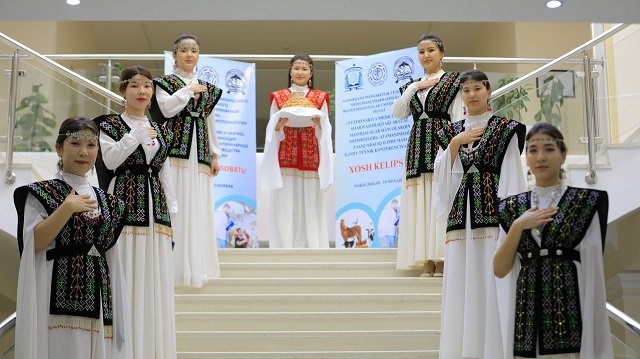
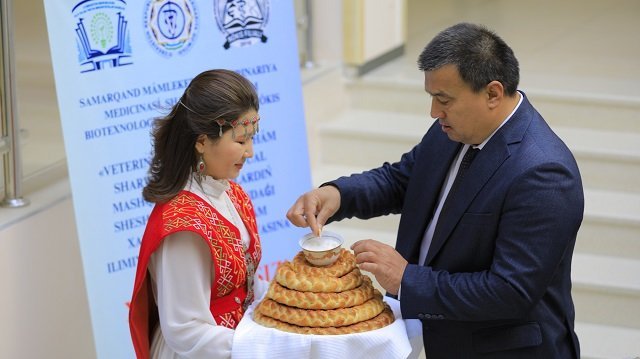
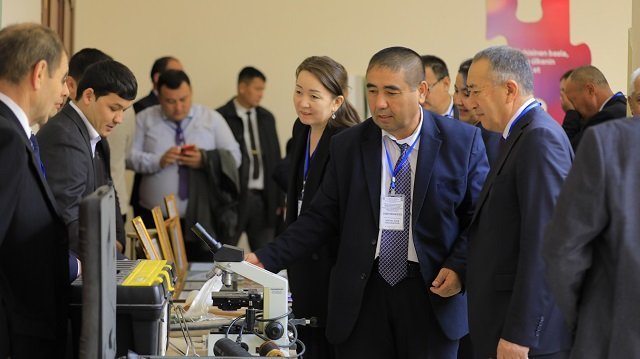
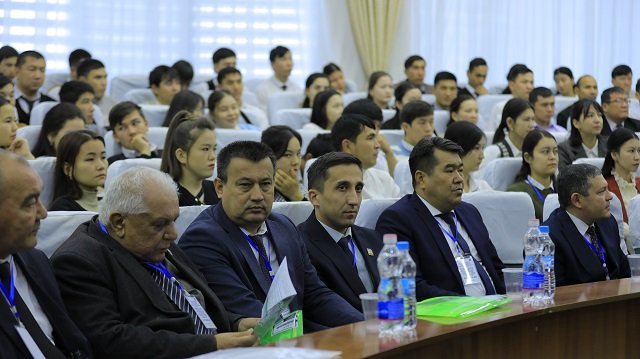
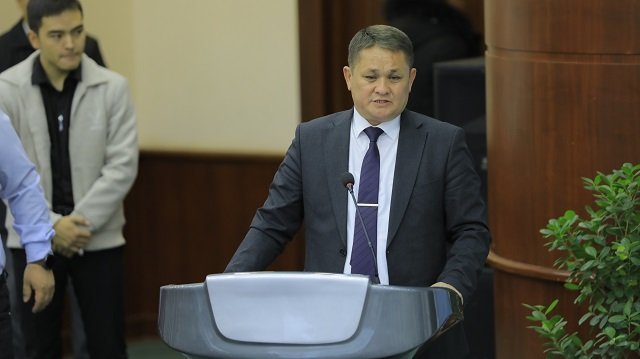
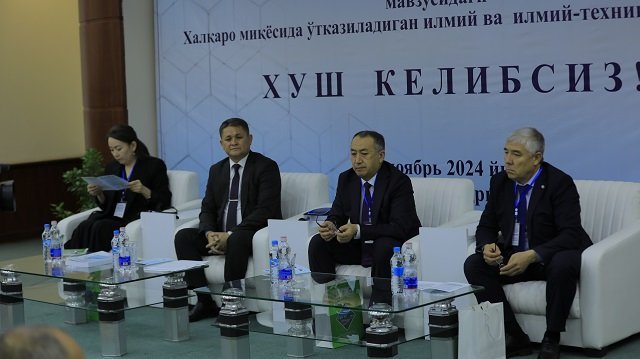
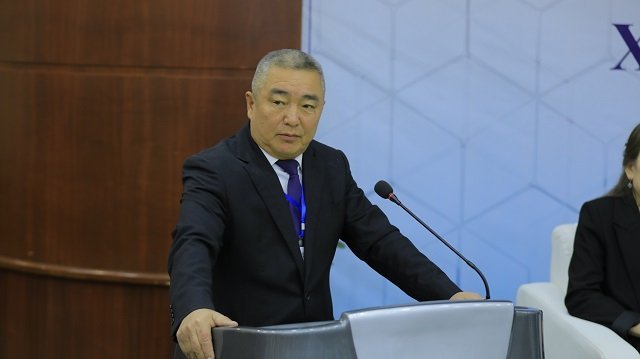
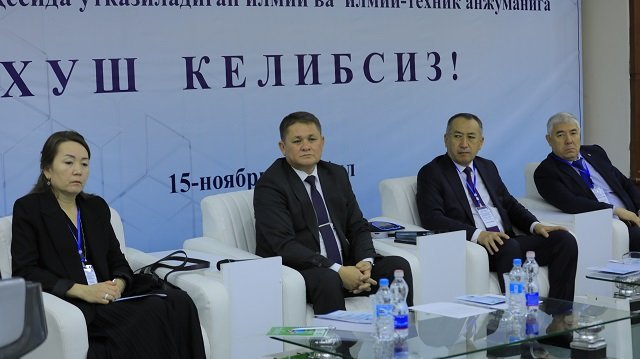
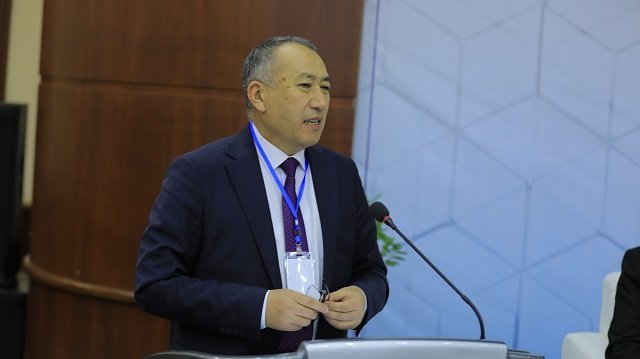
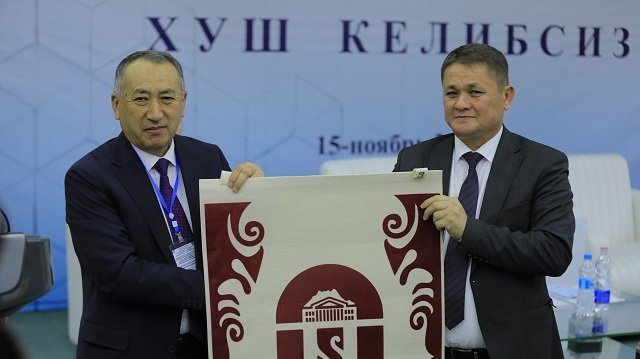
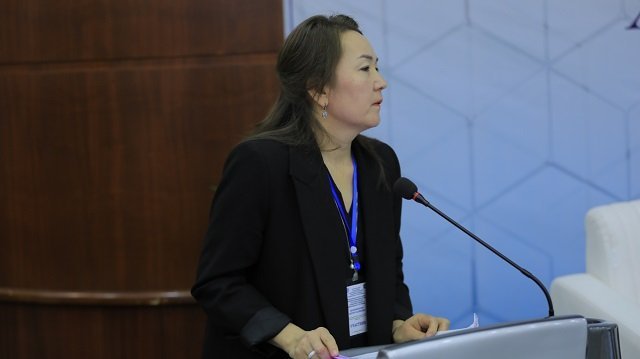
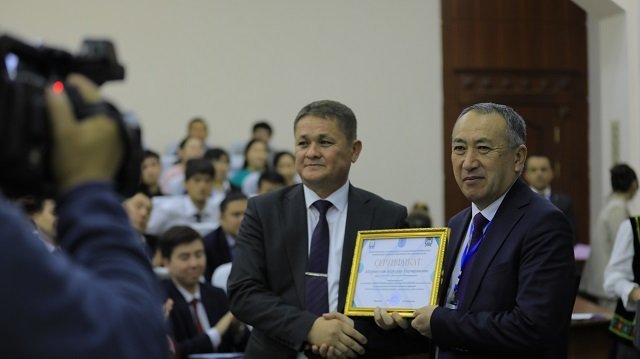
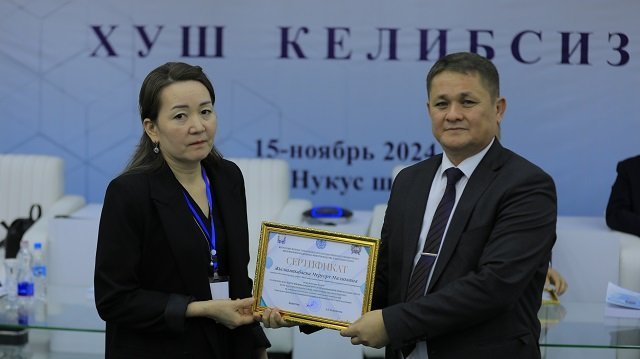
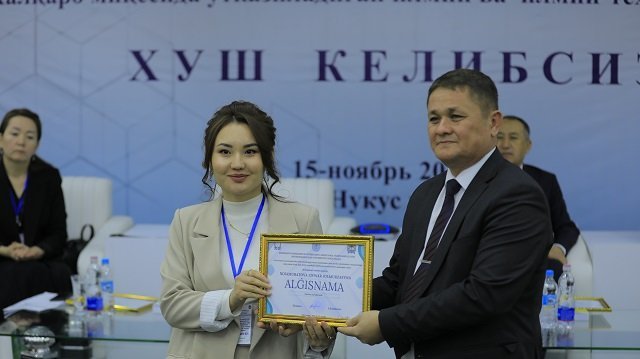
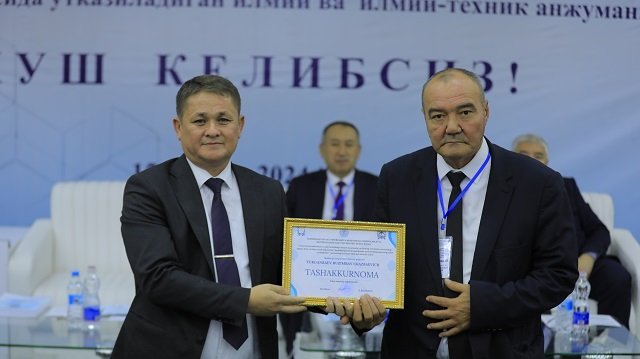
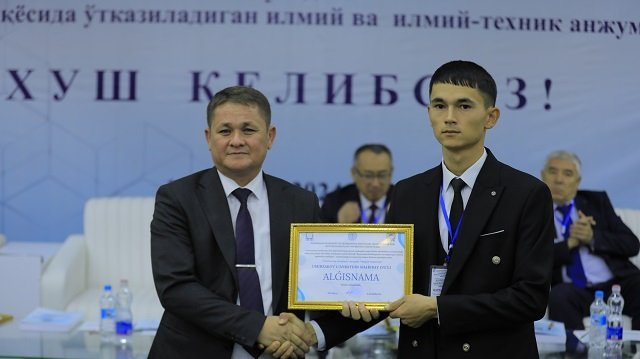
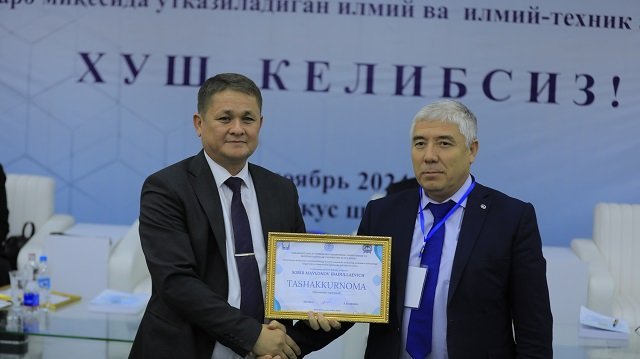
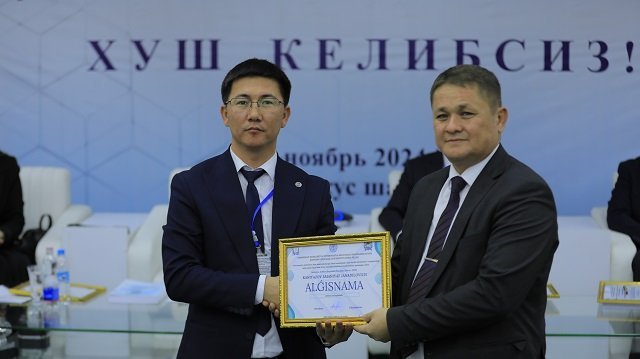
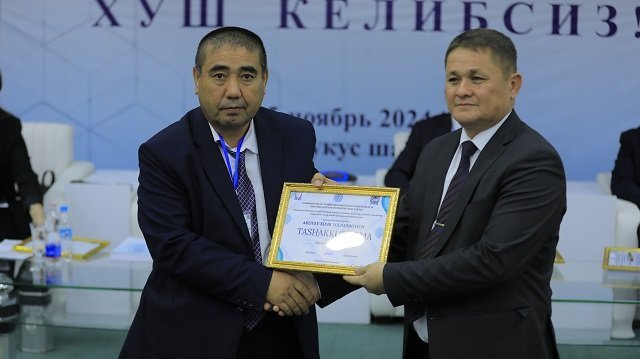
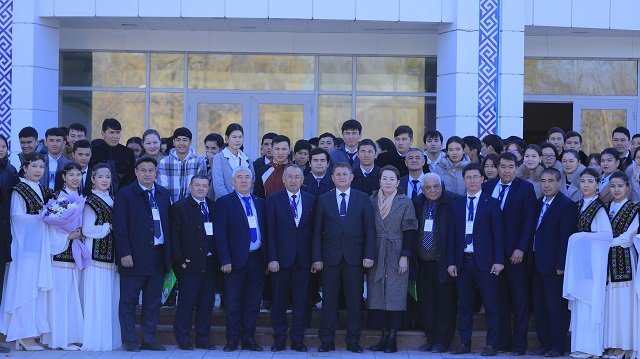
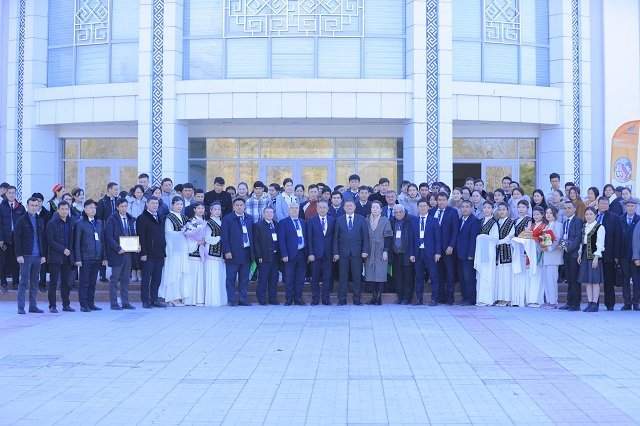
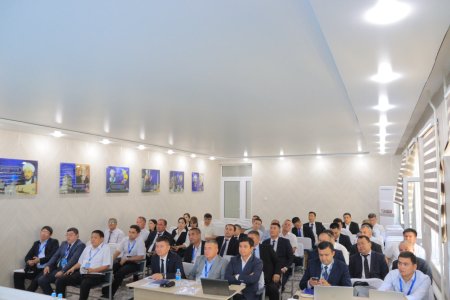
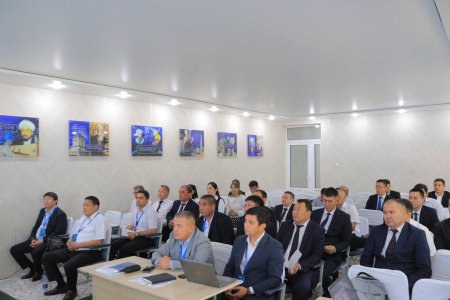
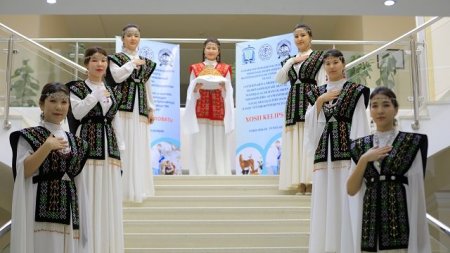
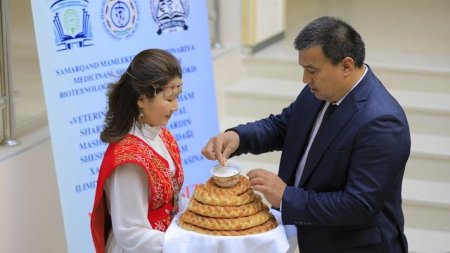
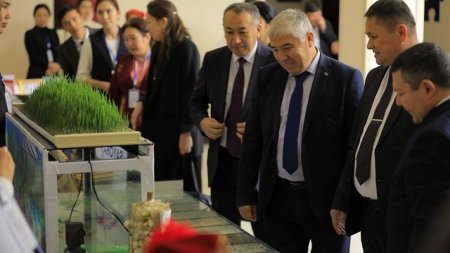
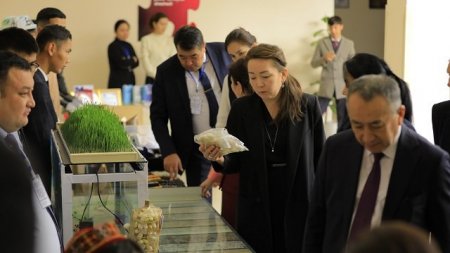
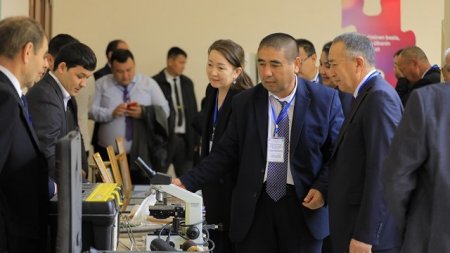
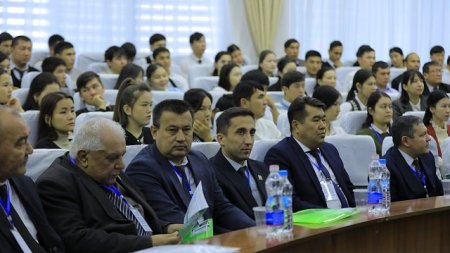
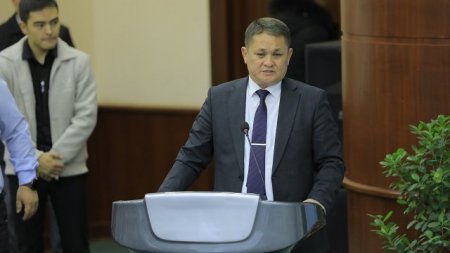
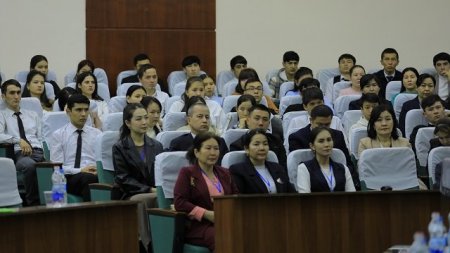
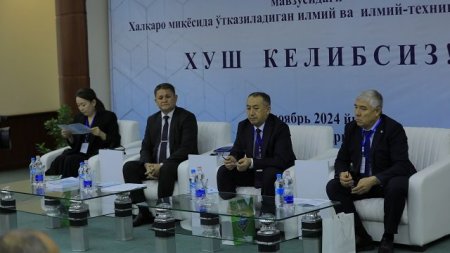
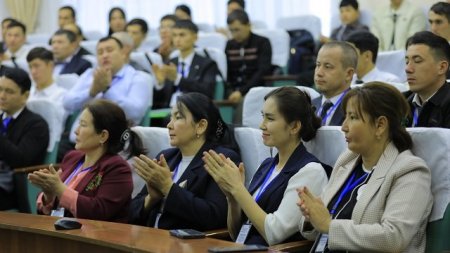
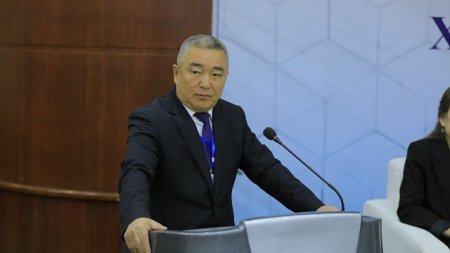
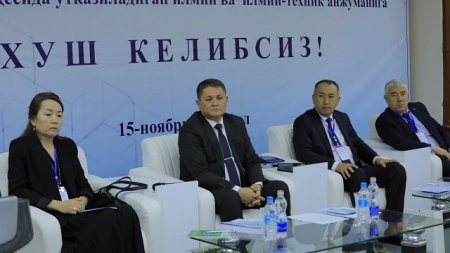
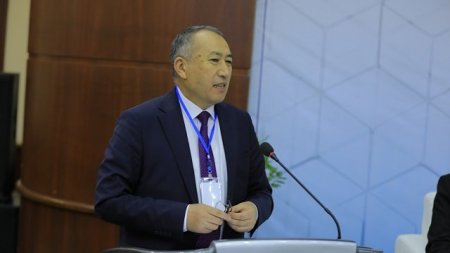
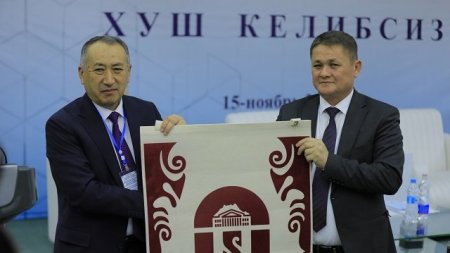
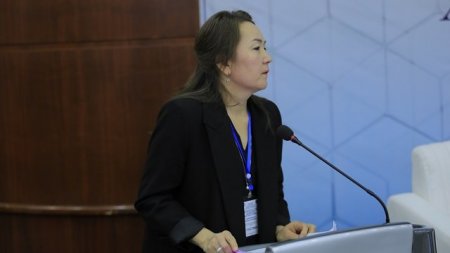
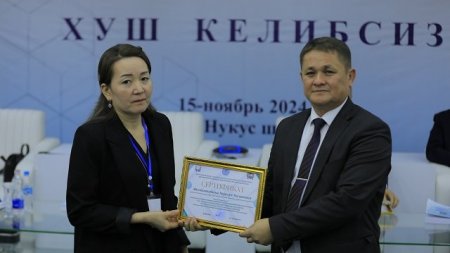
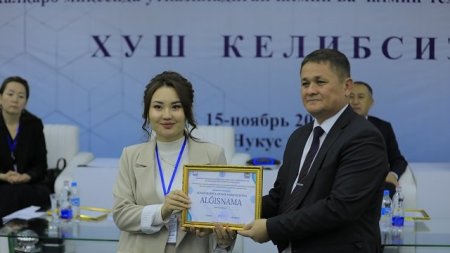
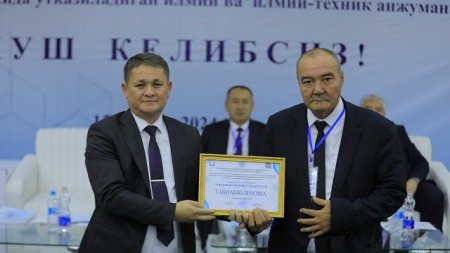
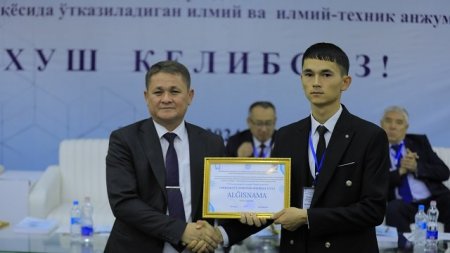
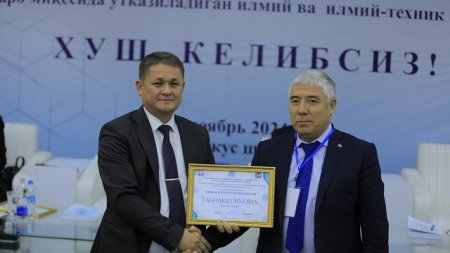
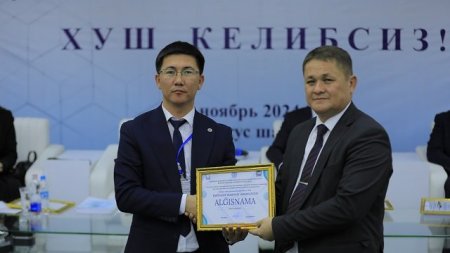
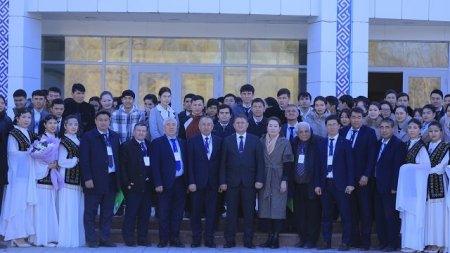
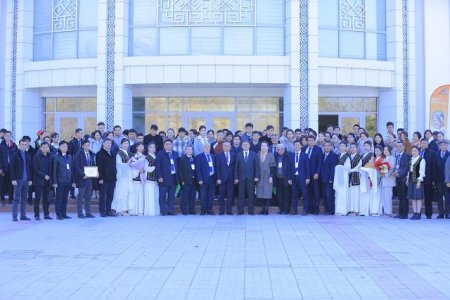
On November 15 of this year, an international scientific and technical conference on "Current Issues in Veterinary Medicine and Livestock and Their Solutions" was held at the Nukus branch of Samarkand State University of Veterinary Medicine, Livestock, and Biotechnology. The director of the branch, Professor A. Yesimbetov, opened the event with an introductory speech. The conference, held in both online and offline formats, was attended by scholars from universities and research institutes in Iraq, Russia, Belarus, Kazakhstan, and Kyrgyzstan, as well as representatives from the Veterinary and Livestock Development Committee of the Republic of Uzbekistan, professors and researchers from various institutions, and young scientists.
This conference, which brought together more than 30 scientists from nearly 10 countries, underscores the branch's role as a significant center for modern education and scientific research in the veterinary and livestock sectors. Today, the veterinary and livestock fields are rapidly evolving globally, attracting researchers, young scientists, and practitioners from various parts of the world. The main goals of this conference were:
to discuss the pressing issues in veterinary medicine and livestock in Uzbekistan, to introduce innovative approaches and propose practical solutions to existing challenges,
to analyze ways to improve the economic efficiency of ongoing reforms in the livestock sector,
to examine diseases that threaten animal health, feeding errors, and environmental issues, and
to foster effective collaboration between researchers, veterinary specialists, and farmers to address these problems positively.
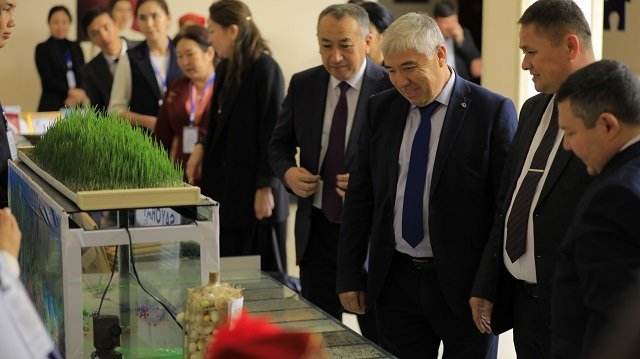
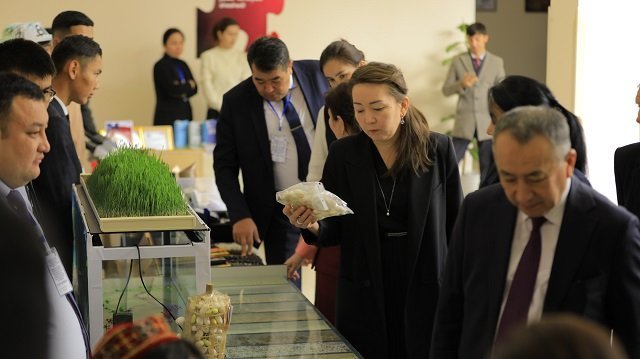
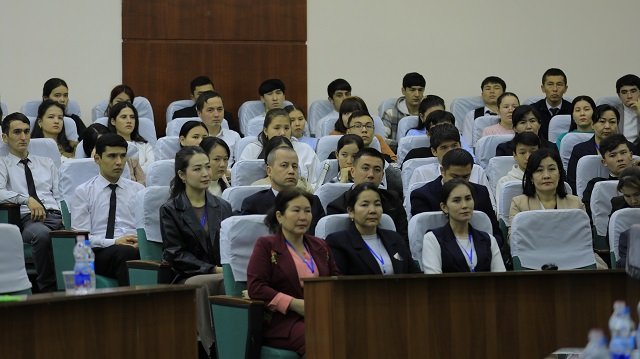
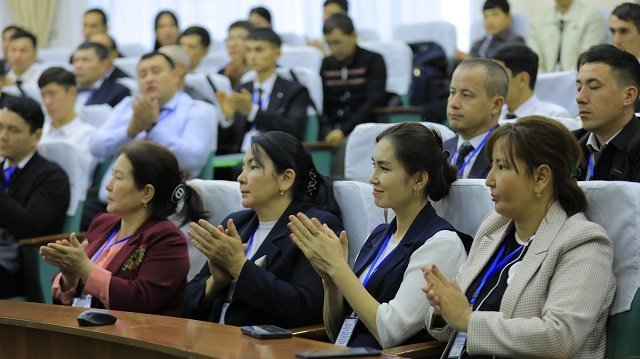
During the event, participants explored new scientific achievements in veterinary medicine and advanced practices for addressing challenges in livestock management. The conference was attended by over 100 researchers, professors, and teachers from various regions of Uzbekistan, presenting their relevant scientific articles and theses.
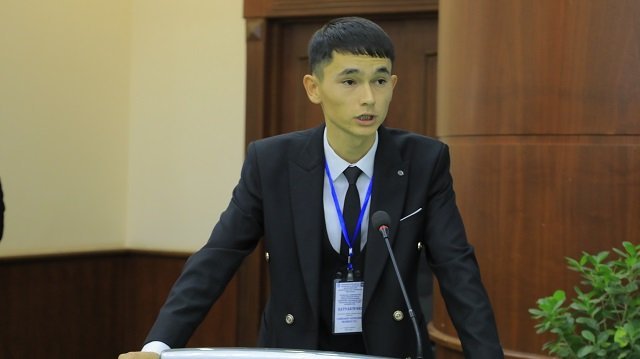
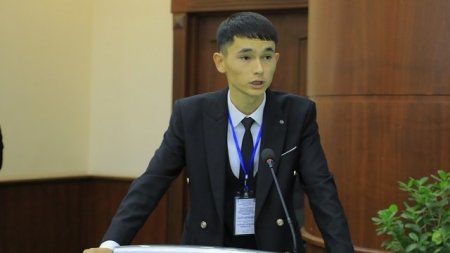
Among the participants was young researcher J. Rejepbaev, a teacher at the "Veterinary Medicine and Pharmacology" department, who actively contributed with his article titled "History, Symptoms, and Treatment of Rickets in Calves." J. Rejepbaev highlighted the importance of addressing rickets in calves, stating:
"The relevance of rickets lies in its hindrance to productivity in livestock. The growth of animals slows down, their bones soften and deform, which reduces their usability. Therefore, attention to prevention and treatment of this disease is essential not only for animal health but also for ensuring the sustainability of the livestock industry."
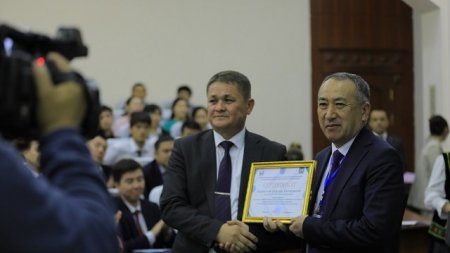
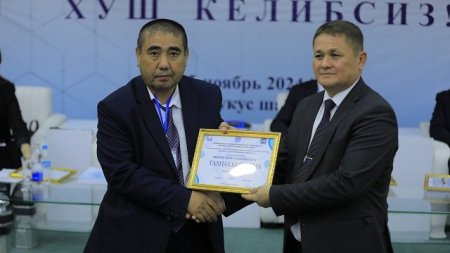
During the conference, young researcher P. Allaniyazov was awarded Phd diplomas in Economics and J. Rejepbaev was awarded PhD diplomas in Veterinary Sciences respectively.
Participating online, Associate Professor E. Akmanaev, Deputy Vice-Rector for International Relations and Scientific-Innovative Activities at the Perm State Agro-Technological University named after Academician D.N. Pryanishnikov, emphasized that this conference contributes not only to enhancing the branch's international reputation but also to showcasing and advancing achievements in education in the region.
The conference organized by the branch provides an opportunity to introduce new scientific achievements in the field of veterinary medicine and animal husbandry, solve pressing issues, and widely apply modern technologies, said A. Abdurasulov, Doctor of Agricultural Sciences and Professor at Osh State University of the Kyrgyz Republic. He also noted that the event serves as a significant platform for further developing cooperation and exchanging scientific experiences in veterinary medicine and animal husbandry.
At the conference, it was highlighted that veterinary medicine is not limited to maintaining the health of animals but also directly impacts human health. Preventing diseases transmitted from animals plays a crucial role in this context.
Today's international scientific and technical conference marks an important step toward further developing agriculture and animal husbandry in our country. It aims to advance the scientific and practical aspects of the sector to a new level, contributing significantly to its progress.

 скачать dle 12.1




 Telefon
 E-mail